Ritual culture in the Ottoman Empire played a defining role in both palace life and the daily experiences of the broader society. One of the central elements of this culture was the kitchen. The Ottoman culinary tradition stood out not only for its rich variety of dishes but also for the symbolic order embedded in the processes of preparation and presentation. In the palace kitchens, every stage operated within a strict hierarchical system; cooks were organized according to a guild structure, and food served not only as nourishment but also as a means of representation.
Listen to the artwork in English.
Eseri Türkçe dinleyin.
Dining etiquette was an extension of this cultural structure, reflecting social status and codified manners. Tables were arranged according to a precise order, with each person’s place and role predetermined. Customs such as eating with the right hand, beginning meals with a prayer, and avoiding excess were not only religious obligations but also expressions of ethical and aesthetic discipline. Within Ottoman society, the dining table was regarded as a space of moderation and decorum.
Meanwhile, practices like archery and marksmanship became ritualized forms of both physical and mental discipline. Especially within the Enderun School and the Janissary Corps, these techniques were taught not only as military skills but also as symbols of focus, balance, and inner control. Prayers recited before shooting, commemorative target stones, and ceremonial competitions further emphasized the ritualistic dimension of this tradition.
From the kitchen to the battlefield, this ritualistic framework in the Ottoman Empire shaped individual behavior while also serving as a visual and cultural representation of the state.
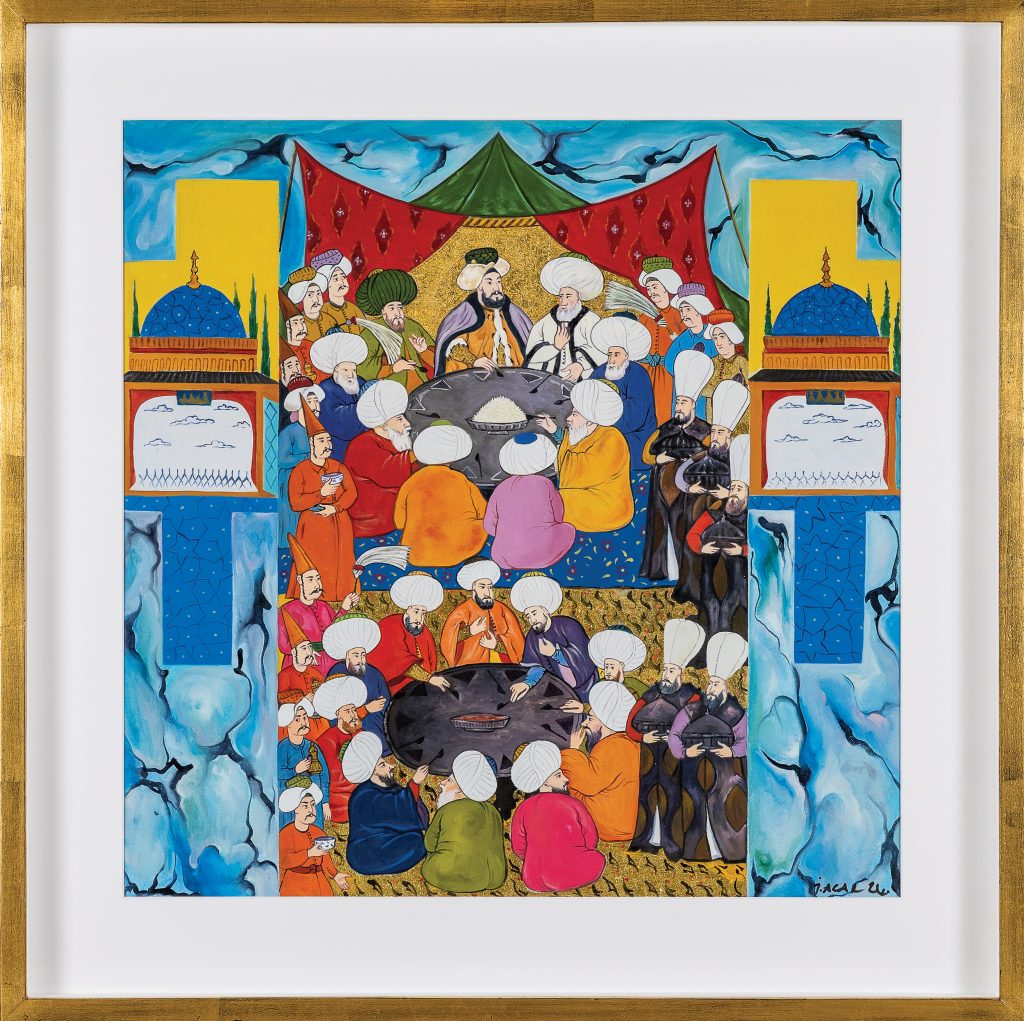
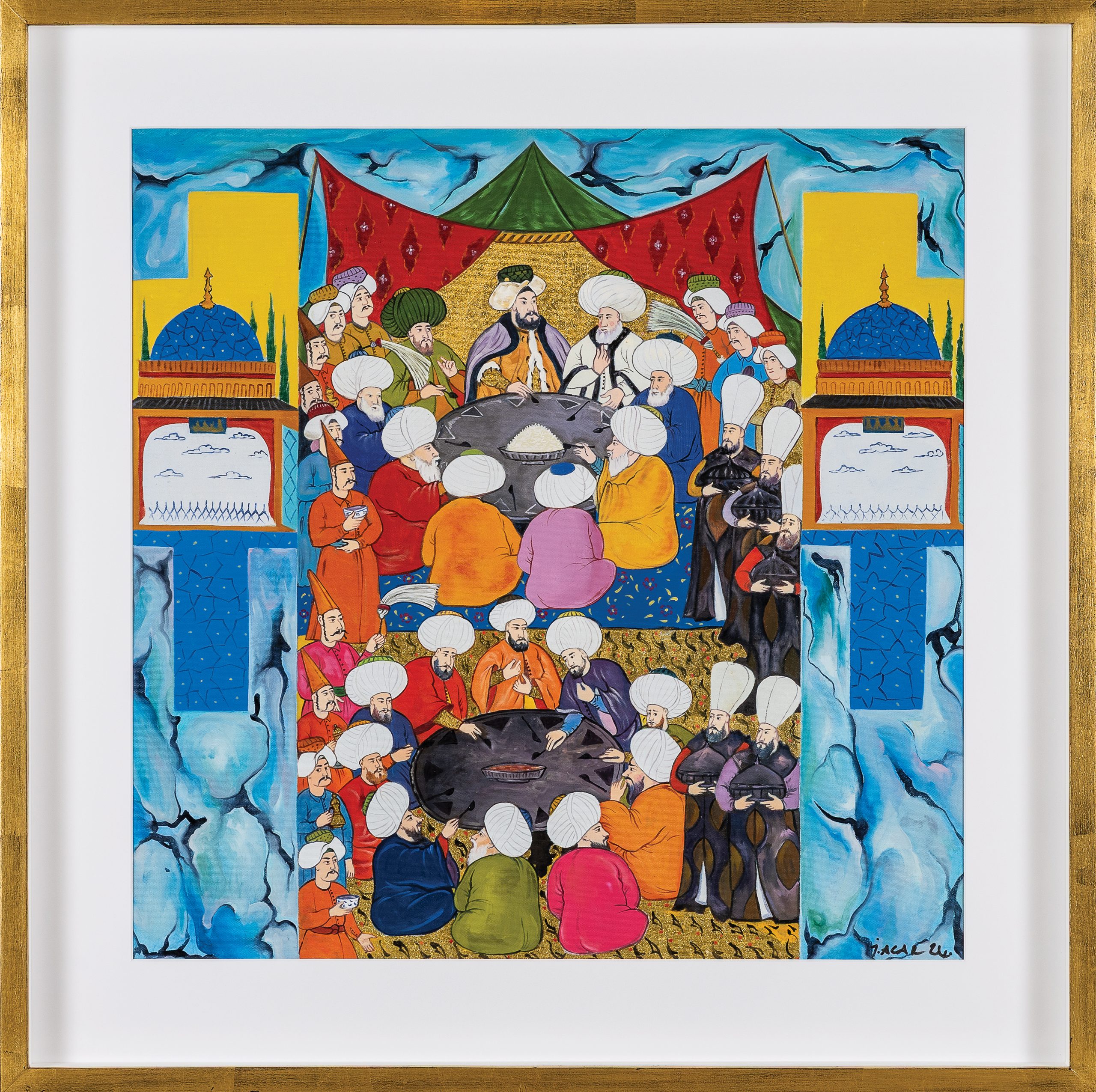
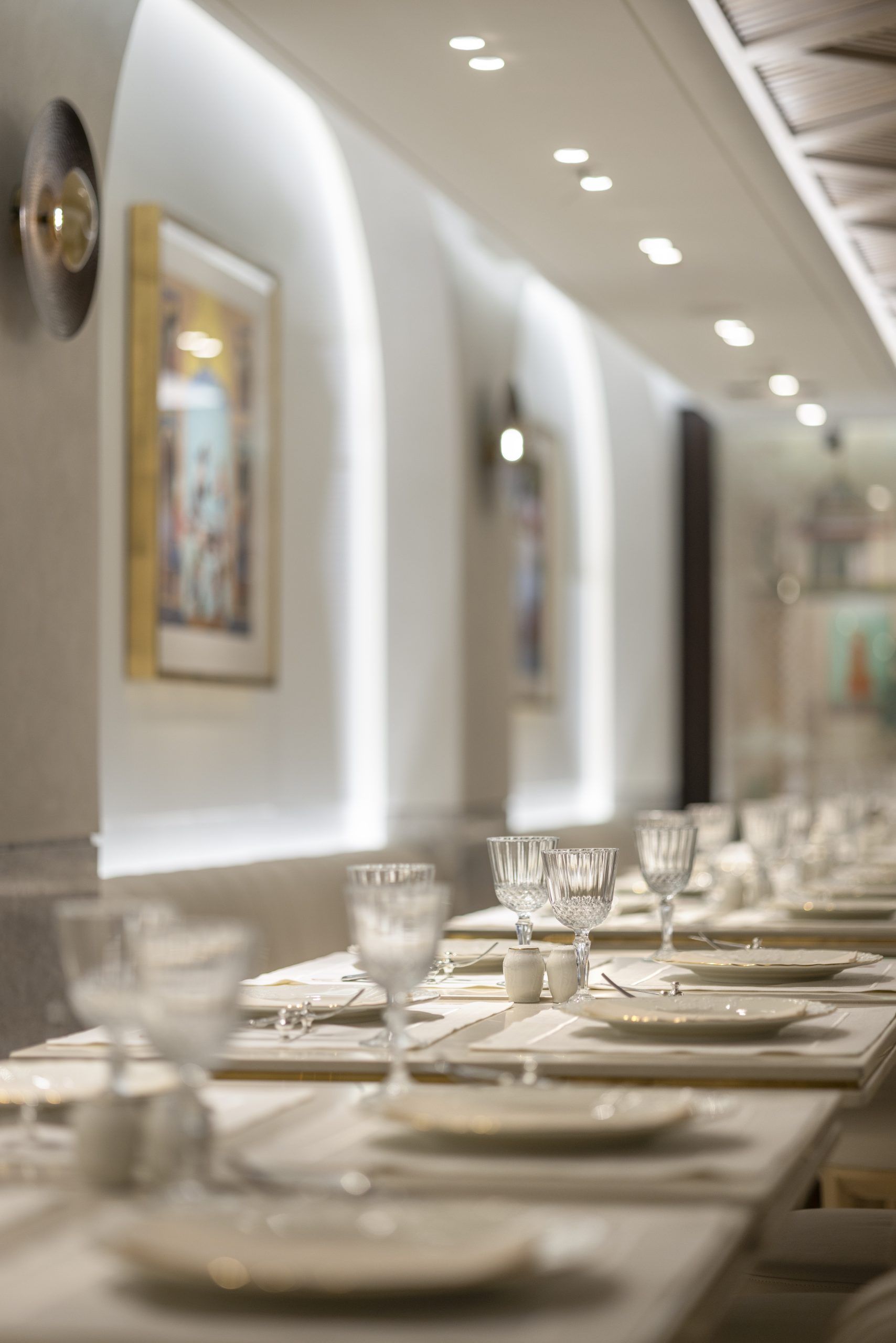
In the Ottoman Empire, the sultan’s table was more than a place to dine—it was a ceremonial setting that reflected the power, order, and generosity of the state. While sultans typically dined alone, grand tables were prepared on special occasions such as religious festivals, diplomatic receptions, or when hosting important guests.
Listen to the artwork in English.
Eseri Türkçe dinleyin.
The sequential presentation of dishes, the meticulous table arrangement, and the use of gold and silver vessels all showcased the elegance and organizational sophistication of the Ottoman court. Each dish, carefully prepared in the palace’s elite kitchen, reflected both the refinement of Ottoman cuisine and the nutritional values of the era.
Another key function of the sultan’s table was to symbolize justice and the bond between the ruler and the people. At times, the sultan would dine with his viziers and statesmen in a form of consultation; on special public occasions, communal feasts were offered to the people, reinforcing the image of a benevolent and just ruler.
These tables were not merely dining arrangements—they embodied the Ottoman vision of governance, cultural richness, and imperial magnificence, carrying both historical and symbolic significance.
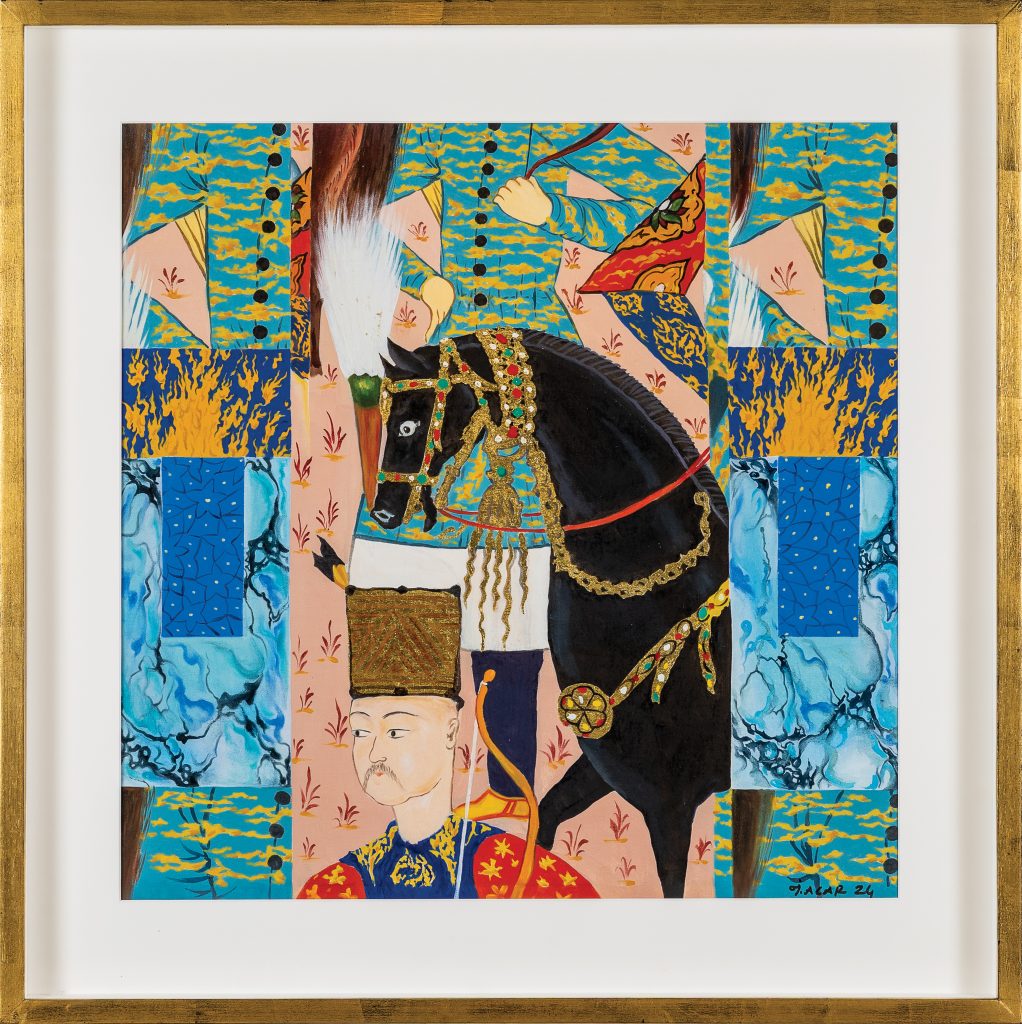
In the Ottoman Empire, it was a symbolic practice for princes (şehzades) to walk through the streets accompanied by Janissaries. These public processions served not only to connect the princes with the people but also to project the strength and authority of the state. As heirs to the throne, princes gained the opportunity to observe daily life and become familiar with the social fabric of the empire.
Listen to the artwork in English.
Eseri Türkçe dinleyin.
These processions were also displays of power. The Janissaries—one of the most elite military units of the Ottoman Empire—not only ensured the prince’s safety but also visibly demonstrated the state’s might to the public. This visible presence reinforced loyalty among the population and helped to prevent potential unrest or rebellion.
Over time, these ceremonial walks became a tradition that fostered mutual recognition between rulers and subjects. They allowed future sultans to gain insight into their people while offering the public a chance to see and form a connection with their prospective leaders.
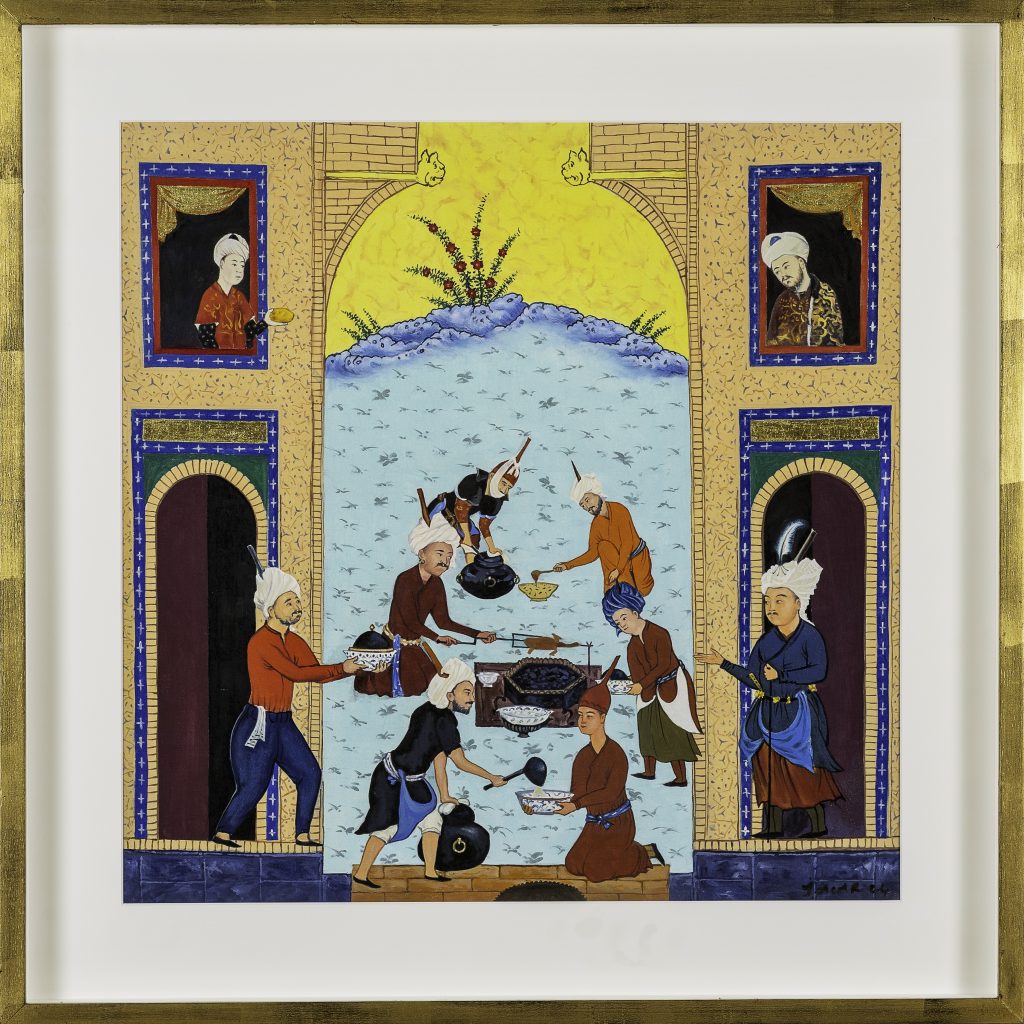
The Ottoman palace kitchen was not merely a place where food was prepared—it was a central institution that reflected the power, cultural wealth, and social order of the empire. Located within Topkapı Palace, the Matbah-ı Âmire (Imperial Kitchen) prepared meals daily for thousands, including the sultan, members of the royal family, state officials, and palace residents. It also distributed food to the poor as part of charitable practices.
Listen to the artwork in English.
Eseri Türkçe dinleyin.
Ottoman cuisine developed a rich and unique culinary tradition by blending flavors from across its vast territories. Key dishes prepared in the palace included:
The palace kitchen played a role not only in nutrition but also in diplomacy. Banquets organized for foreign delegations were of great political importance and were considered displays of Ottoman grandeur and authority. Through food, the empire projected its power and cultural sophistication.
In this way, Ottoman cuisine was not merely a culinary tradition—it was a refined expression of statecraft.
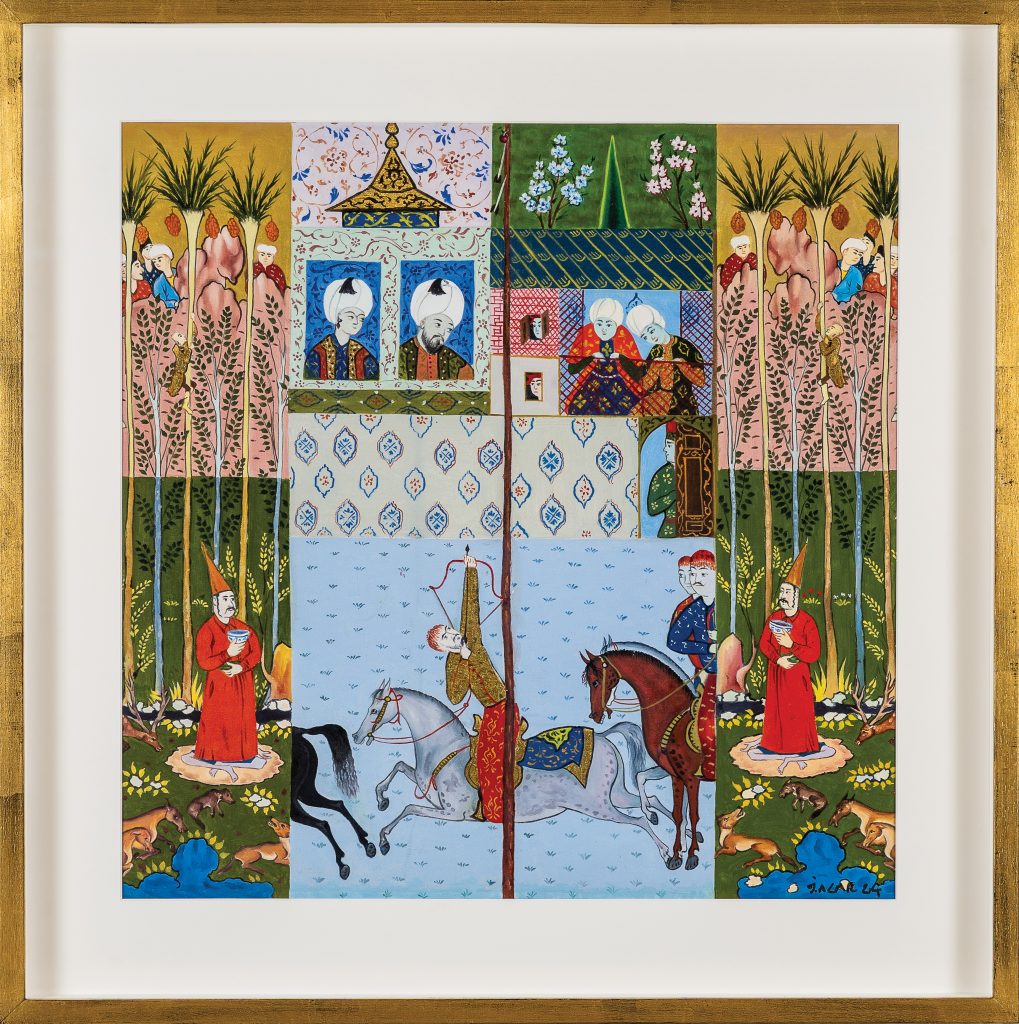
In the Ottoman Empire, archery was more than a military skill—it was a deeply rooted tradition symbolizing discipline, courage, and the strength of the state. Archery demonstrations held in Sultanahmet Square served both as military exercises and as public displays of Ottoman martial prowess.
Listen to the artwork in English.
Eseri Türkçe dinleyin.
These sessions were primarily organized to refine the archery skills of Janissaries and palace members. Conducted in the presence of the public, such events showcased the army’s combat readiness and military discipline, reinforcing the people’s trust in the state.
Beyond their strategic function, archery contests were also considered a sport and a mark of prestige. Exceptional archers were honored with commemorative distance stones (menzil taşları)—inscribed monuments that immortalized their achievements. Many of these stones still stand today as enduring symbols of the Ottoman archery tradition.
The archery drills at Sultanahmet Square were not only training exercises but also significant ceremonial events that sustained the military strength of the empire and deepened the people’s connection to its armed forces.
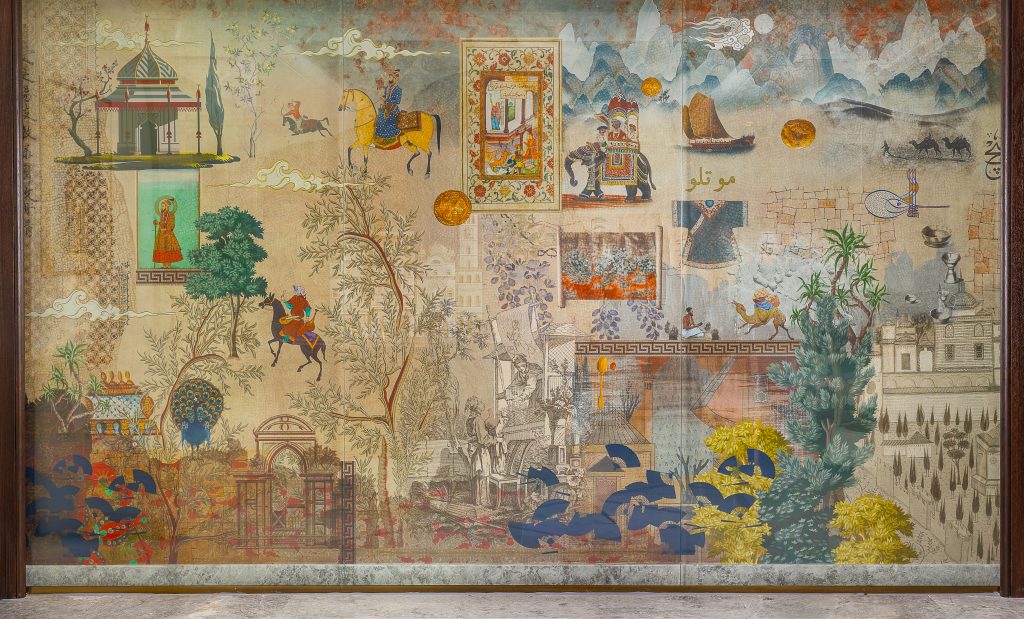
The Silk Road was more than a trade route; it was a living artery of civilization, carrying not only goods but also ideas, beliefs, art, and culture across continents. This artwork brings together the traces of caravans, merchants, artists, and travelers who once journeyed along this ancient path.
Listen to the artwork in English.
Eseri Türkçe dinleyin.
with İsmaİl Acar